Upon seeing a daguerreotype, the French painter Paul Delaroche famously remarked that "painting is dead from this day". Delaroche couldn't have been more wrong. Photography didn't kill painting, but actually set painters free from the constraints of the past which resulted in a revolution of experimentation and creativity. From the late 19th century well into the 20th century, painting expanded far beyond depiction to become a medium of creative interpretation and expression.
"For other painters, the rise of photography as art meant artistic liberation. As accurate imitation of nature became the unchallenged domain of photography, artists began to explore how painting could go beyond the old ideal of “holding a mirror up to nature.” They increasingly explored mood, color and light in more subjective and non-representational ways. The stage was set for the Impressionist Movement of the 1870s and 1880s, during which painting—now superseded as a representational art-form—would break ground as a creative one." - from Photography As Art, Painting As Impression | Dawn's Early Light - Online exhibitions across Cornell University Library
Delaroche's comment (and those of lots of other artists and critics in the 1800s) sounds a lot like the anxious comments that we hear from pundits and photographers today about AI leading to the death of photography. But, to paraphrase Mark Twain, the "rumors of the demise of photography are greatly exaggerated." If the history of painting is a guide to the future of photography, perhaps Twain is hopefully correct. AI probably won't kill photography, but it will change it. Perhaps history will repeat itself, and AI will set photographers free to push the form's creative boundaries resulting in an artistic revolution.
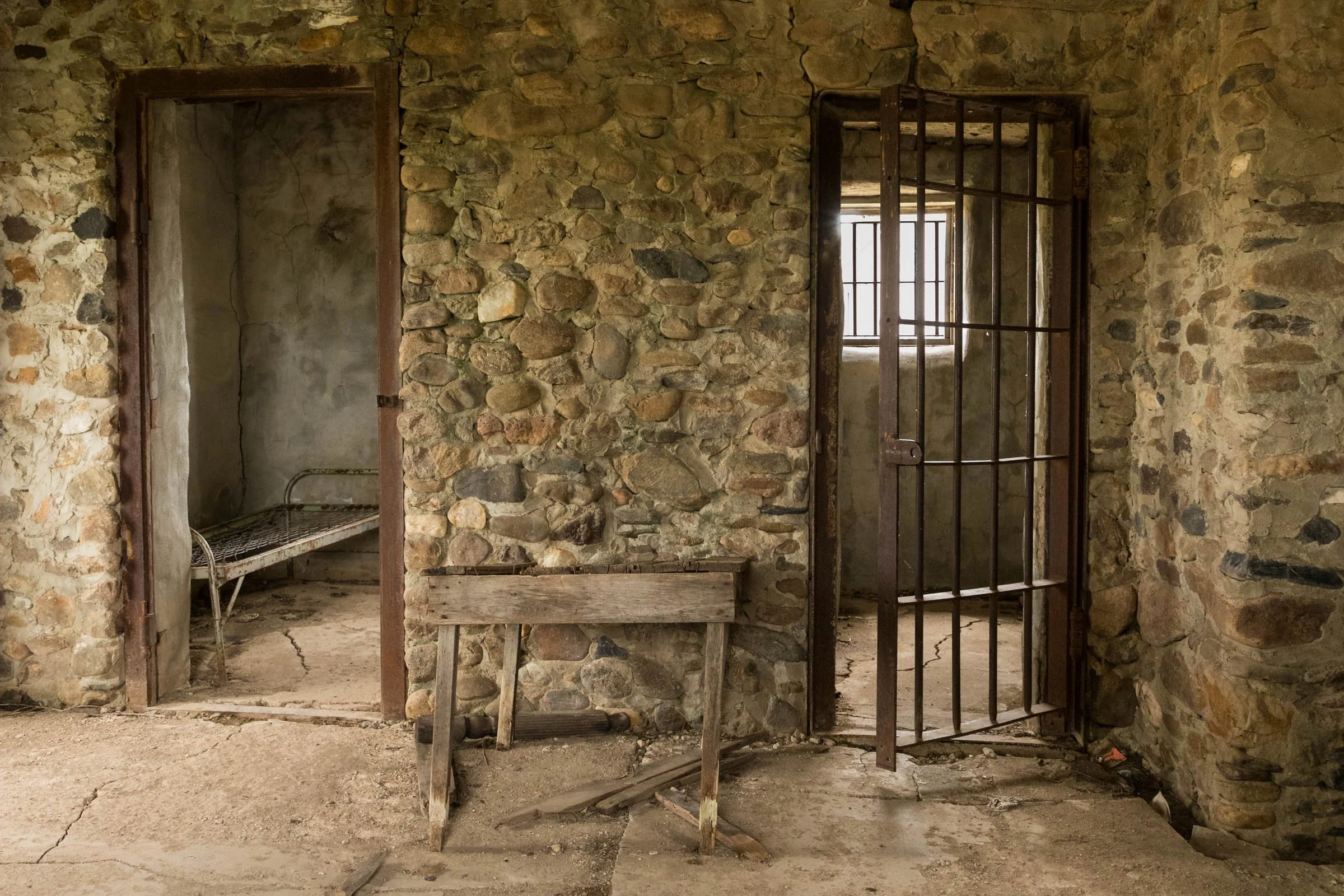
AI could impact photography in two major ways. First, AI is and will be used extensively to create illustrations. It could replace photographs as the primary means of making pictures for both printed and digital media. Anyone can have an AI model or app conjure up images that are good enough to illustrate just about any website designed to get you to buy whatever they're selling. And, it's very easy, quick and cheap. No photographer or photograph needed. The same may occur with photographic artmaking. An artist can have an AI model create what looks like a fine-art photographic image that was not created via photography. And, again, it's very easy, quick and cheap. Sadly, many, if not most people won't care how the image is made. If AI replaces photography as the primary means of illustration, as happened to painters and other visual artists, then photographers may respond as painters did over a century ago (See the second paragraph above).
But the second way could give photography an even bigger push to change. Photography is a recording medium. Photographers record what they saw in a moment of time. The general public deems photography to be a medium of truth and expects photographs to show what was really seen or actually happened. This is a misperception but people still believe it. This is photography's core strength and its primary constraint. So, if people can't tell the difference between an image created by AI and a photograph created by a human, the public's view that photography has to be "truth" will diminish and perhaps disappear. If that happens, doors will be opened that could change what is "acceptable" in photography by both the public and photographers.
People forget, or don't know, that photography is much more than a recording medium. A painter who works from sketches, or even photographs, may creatively interpret what was seen to create an imaginative painting. That is perfectly acceptable in our culture. No one expects the painting to look like what was seen. A photographer can do the same thing but is limited by the expectation that what they create should not stray too far from what was seen or experienced. A photographer can start with a "capture" and then create something in the darkroom (digital or analog) that is the product of their imagination and looks nothing like what was seen. Photographers could do this today, and some do, but most still bow to public expectation and stay within their lane.
In time, if AI changes the public's expectation that a photograph has to be real or truth then the cultural boundaries that constrain photographers could soften or expand on our cultural map. History might then repeat itself and set photographer's free to create from their imaginations as well as their eyes. We might see the same kind of creative revolution that occurred in painting. Creative doors could open, but photographers must be willing to explore what's beyond that open door.
AI is here to stay. It will change photography, perhaps painfully and dramatically. Even if it frees photographers to be more creative, we will be faced with the same problem we have today. How do we tell if an image or piece of art was created by a computer's algorithm or by a human's mind, and, what words should we use to label such images? Hopefully that will still matter and the public will value human-made art over that made by an algorithm. I fear that lots of people won't care how it was made. They, understandably, just want something they can enjoy on their walls or illustrate their websites. But photographers (like me for example) and other artists will still care, leading them to make art just for the joy of personal satisfaction and expression.
Of course this is pure hopeful speculation. I hope that AI doesn't kill photography, but I'm just ruminating on what might happen in the future. Who knows what will actually happen. Perhaps the true cost of AI will limit its expansion and perhaps its algorithms will not match the accuracy of photographs. But, whatever happens, let's hope that history repeats itself and photography lives.