Photography Should Be More Like Painting
It's often said that creating pictures via painting is very different than via photography. In the former, images are created by adding paint to a blank canvas or paper; while in the latter, images are created by arranging what is seen in the camera's viewfinder, which is then recorded on film or a sensor to make an image. That would seem to be quite different. However, as I've worked with artists over the years to photograph their art or to make their portraits in my long running Creative Types project, I've learned a lot about how painters work and have come to realize that making pictures via painting versus photography is much more alike than many think. There are differences of course, but perhaps photographers can learn something from the similarities.
To create their work, painters often start from something seen and recorded as a memory, sketch or, ironically, a photograph, which are sometimes sourced from others. Then, back in the studio, they create a painting by interpreting or translating that starting point into an expression from their emotions and imaginations. The painting begins on a blank canvas, but, as in photography, the process often starts with a recording of something seen like a landscape, portrait or still life.
This process is very similar to how many photographers create images, including me and others who make "fine art photographs". We start with something seen and make what has come to be called a "capture" or a recording on film or a digital sensor. For many, the capture is the endpoint. The picture is completed by simply pressing the shutter button. In fine-art photography, the capture is a starting point for making a final image. As in painting, we take the capture back to the studio to create a picture in the darkroom. In traditional film photography the studio is the chemical darkroom in which the final image is created as a print. In digital photography the studio is the digital darkroom in which the final image is created as a print or a file to be displayed on a screen. Either way, like painters, photographers work in the studio to add, subtract and/or change the components of the capture to make an interpretive or expressive picture.
This process has been used by generations of film photographers who capture on image on film, make a contact print from the developed film and then use their skill in the darkroom and their imaginations to interpret or translate that negative into a final print. This was articulated brilliantly by Ansel Adam who said that the negative (capture) is the score and making the print is the performance of that score. A great performance plays the notes, but adds the emotions, imagination and interpretation of the musicians. To illustrate, the images below show Ansel Adams's famous photograph "Moonrise over Hernandez". The first one is a contact print (a straight playing of the notes); the second is his final interpretation of that negative.
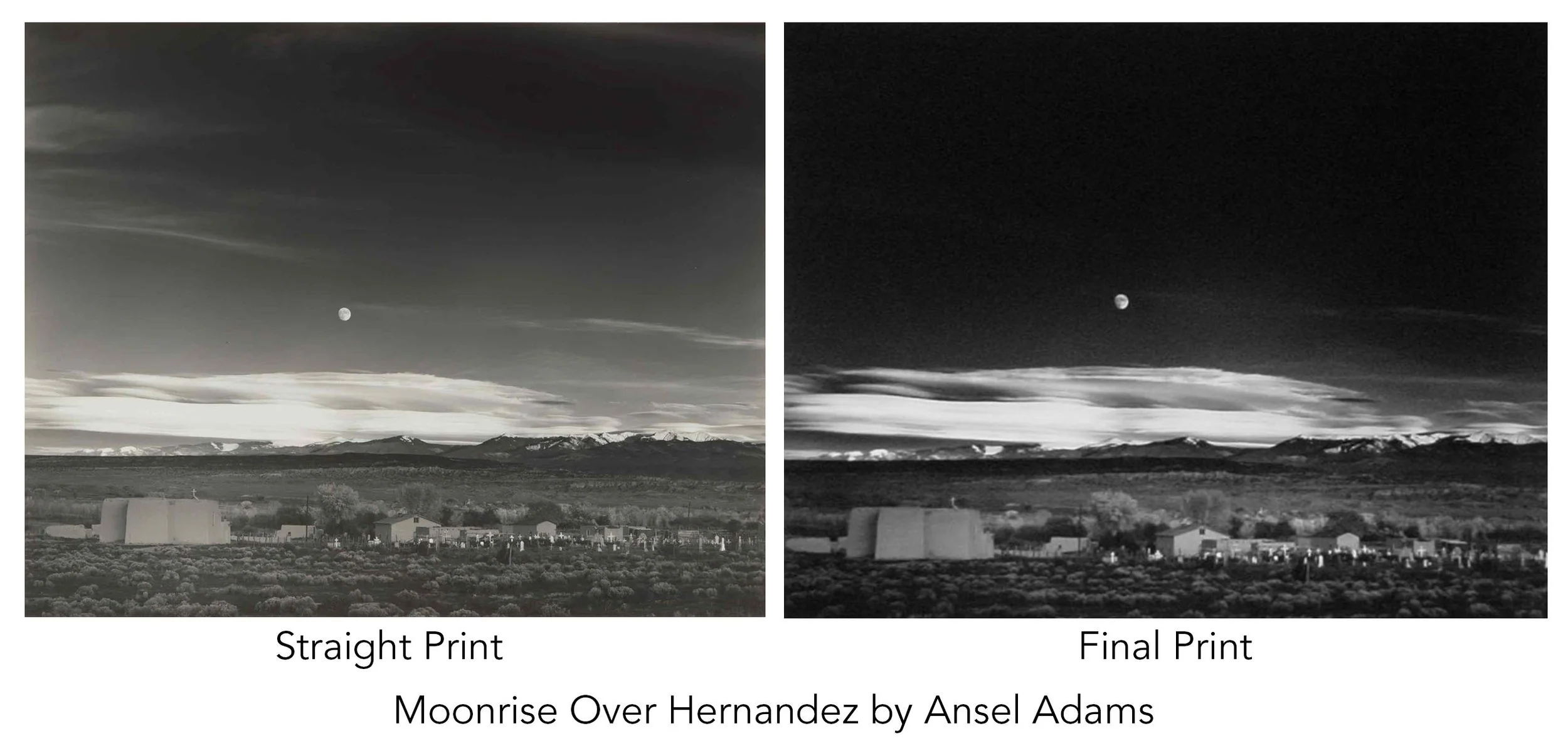
There is one big difference between making pictures via painting versus photography that is largely self-imposed due to cultural expectations. Painters have license to make whatever they want from that starting point. Sometimes, the painting is closer to being a copy of their starting point, but, due to the artist's interpretation, if often bears only a passing resemblance. Painters often don't intend to make faithful representation of what they saw, and viewers of the painting don't expect it to be a faithful representation of what was seen by the artist.
However, photographs are generally expected to capture a moment of truth and faithfully depict what was seen, and perhaps felt by the photographer. Consequently, photographers tend not to stray too far from the reality in making images in their studios. In many cases this is appropriate. Photographs are often meant to be pictures of things or places, and thus, should actually look like that thing or place. But, art, in general, is or can be much more than an realistic and pretty picture. It's also about the feelings, concepts or questions that the artist adds into their translation or interpretation of their starting point, as well as the feelings and thoughts evoked in viewers of the painting. Put another way, a work of art is about something more than what it is "of", i.e., the subject. Most makers and viewers of photos think that they should be about what the picture is "of" and often don't look deeper to see what it is "about". Sadly, this short changes the potential richness of photography.
For photographers, this limitation is of our own making, and, in my opinion, one that we should to get over. It is often said by art historians, that photography freed painters to make art. Prior to photography, most paintings were generally expected to capture what was seen and real, or perhaps imagined but realistic. Painters often used a camera obscura to ensure that they faithfully captured the scene in their paintings. The artist David Hockney has said that, in effect, photography has been around for a very long time. With the first cameras - the camera obscura - images were captured by hand in drawings and paintings, then, as camera technology advanced, on film and more recently on digital sensors.
As photography advanced, it became a much better medium for capturing reality. In response, painting underwent a revolution and took off in many different directions, sometimes departing from reality altogether. So, perhaps it's time to free ourselves as we freed painters in the past by using our emotions and imaginations to go far beyond what was seen in the making of our pictures. Some are doing this with creative use of composition, shutter speed and aperture in the capture phase, and the incredible tools now available in the digital darkroom. I'm not saying we should abandon the traditions of photography. I like making pretty pictures of things and places too. But perhaps we should be more like painters and push the boundaries of our image making to explore what's beyond those self-imposed boundaries.
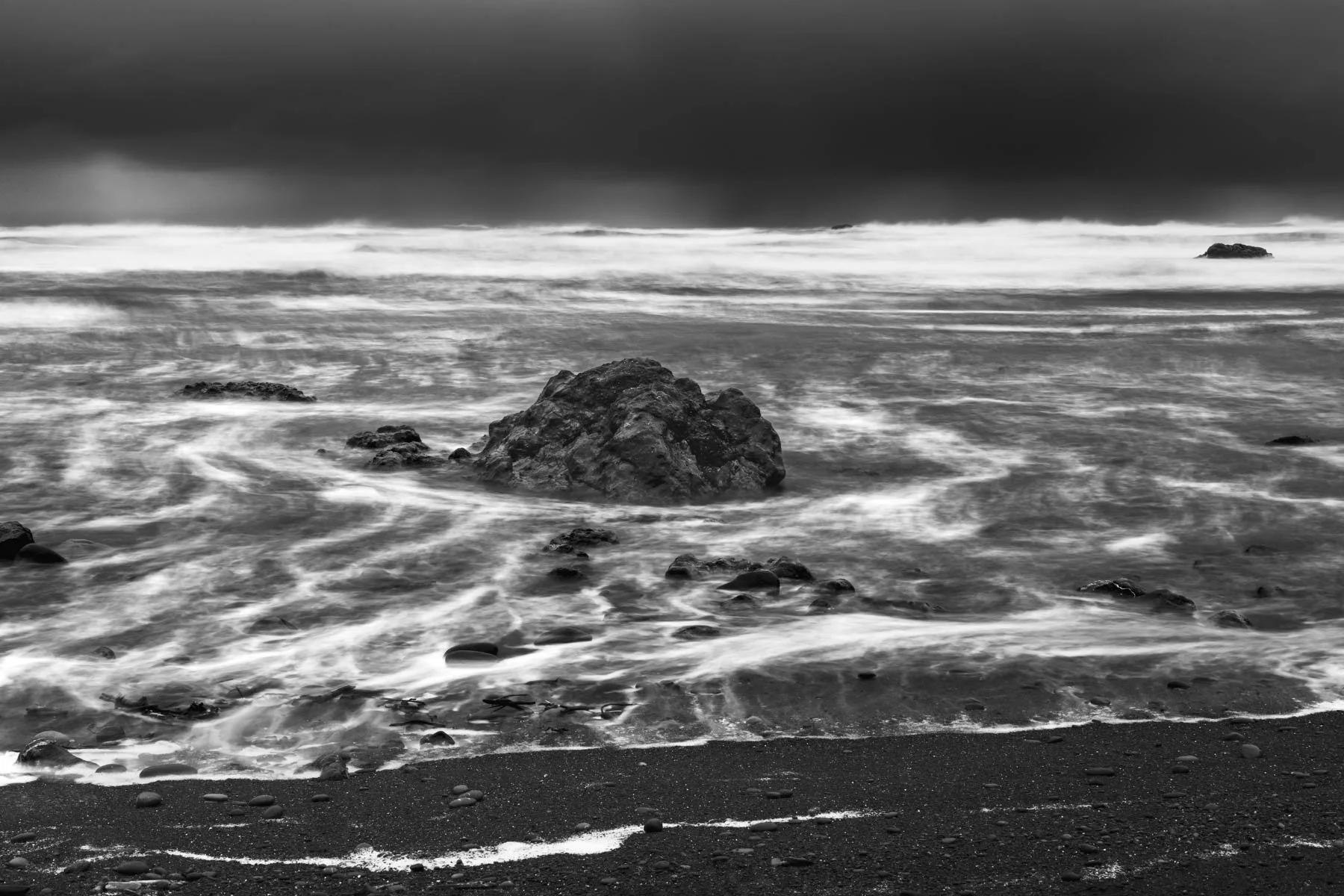
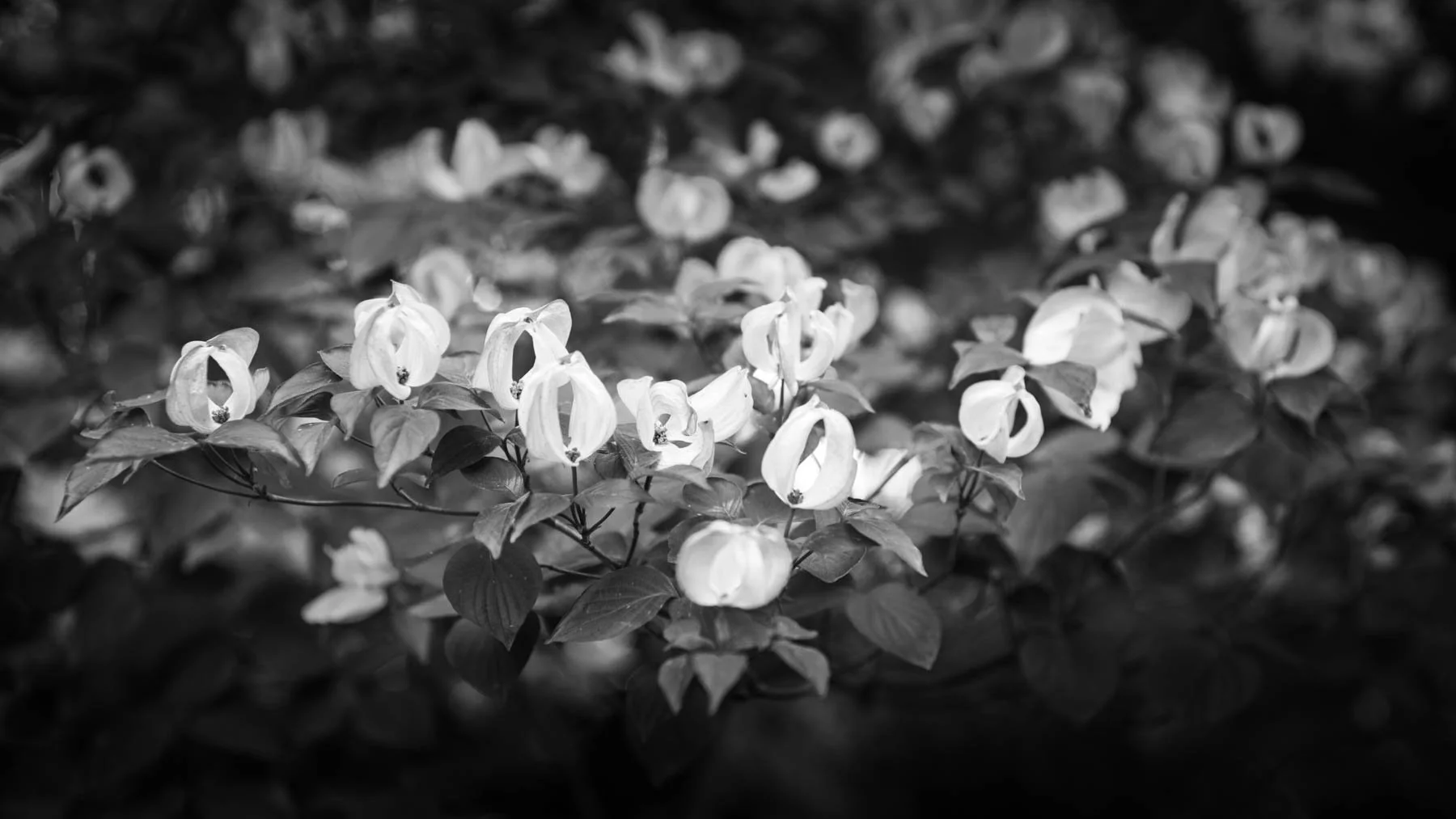
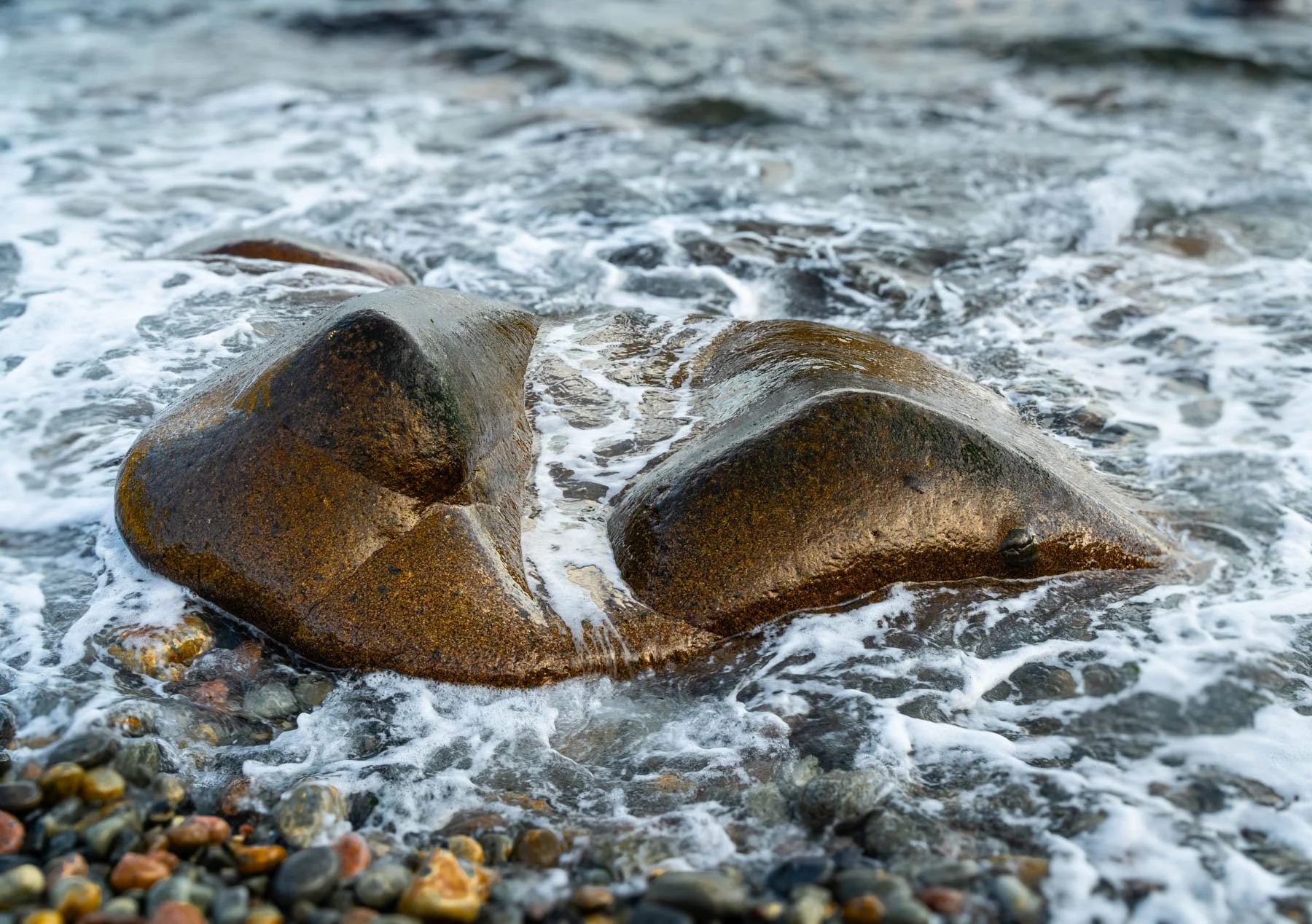
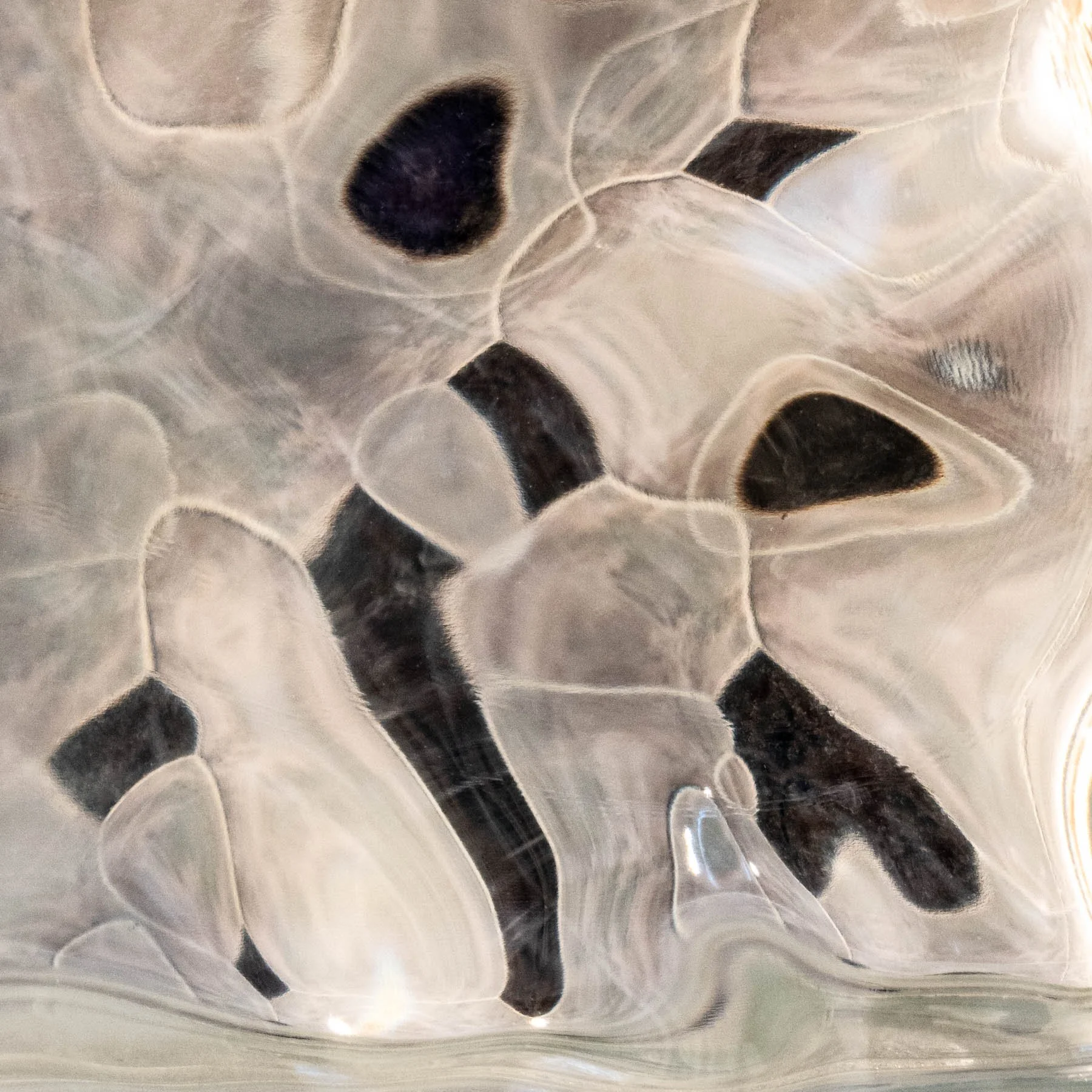
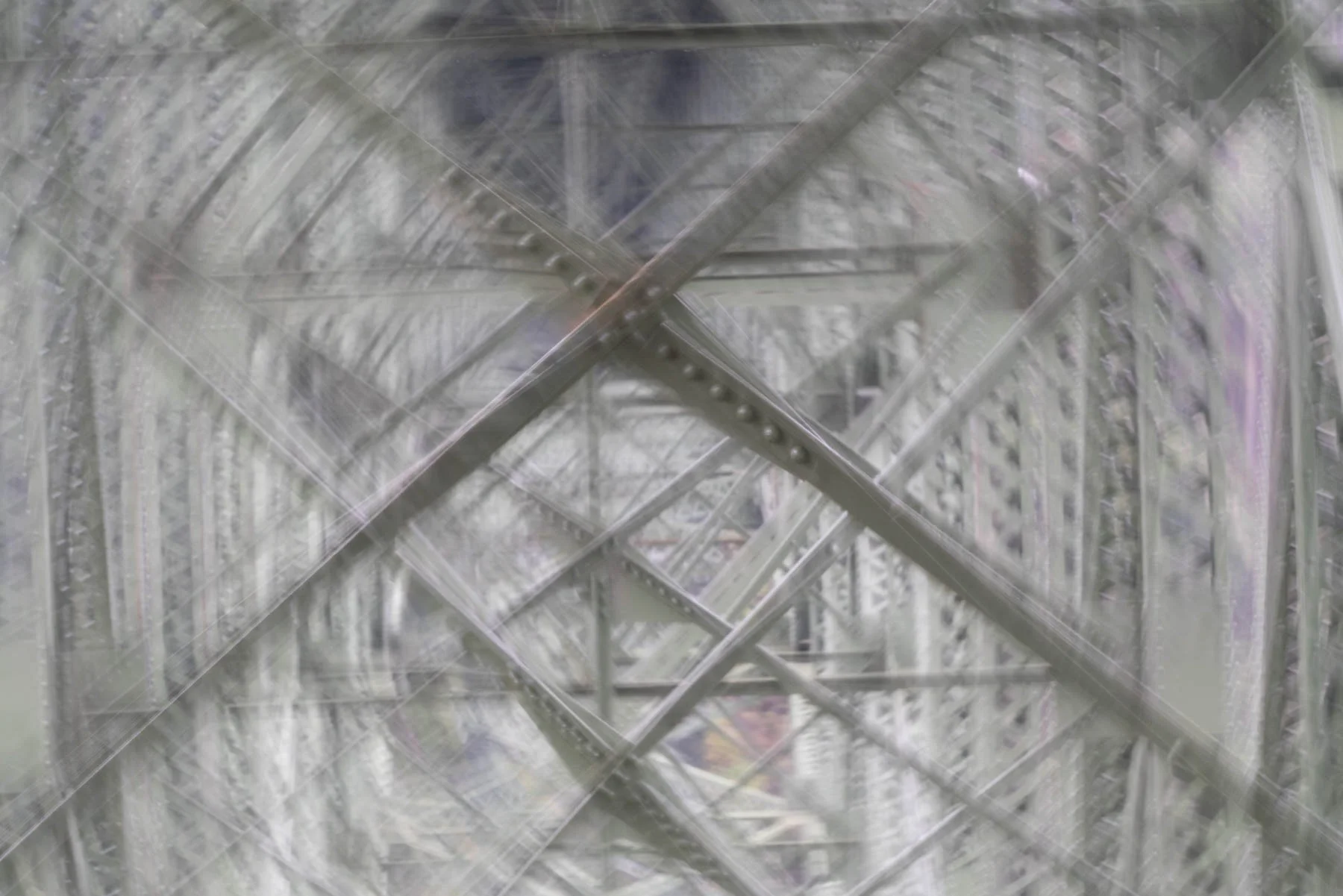
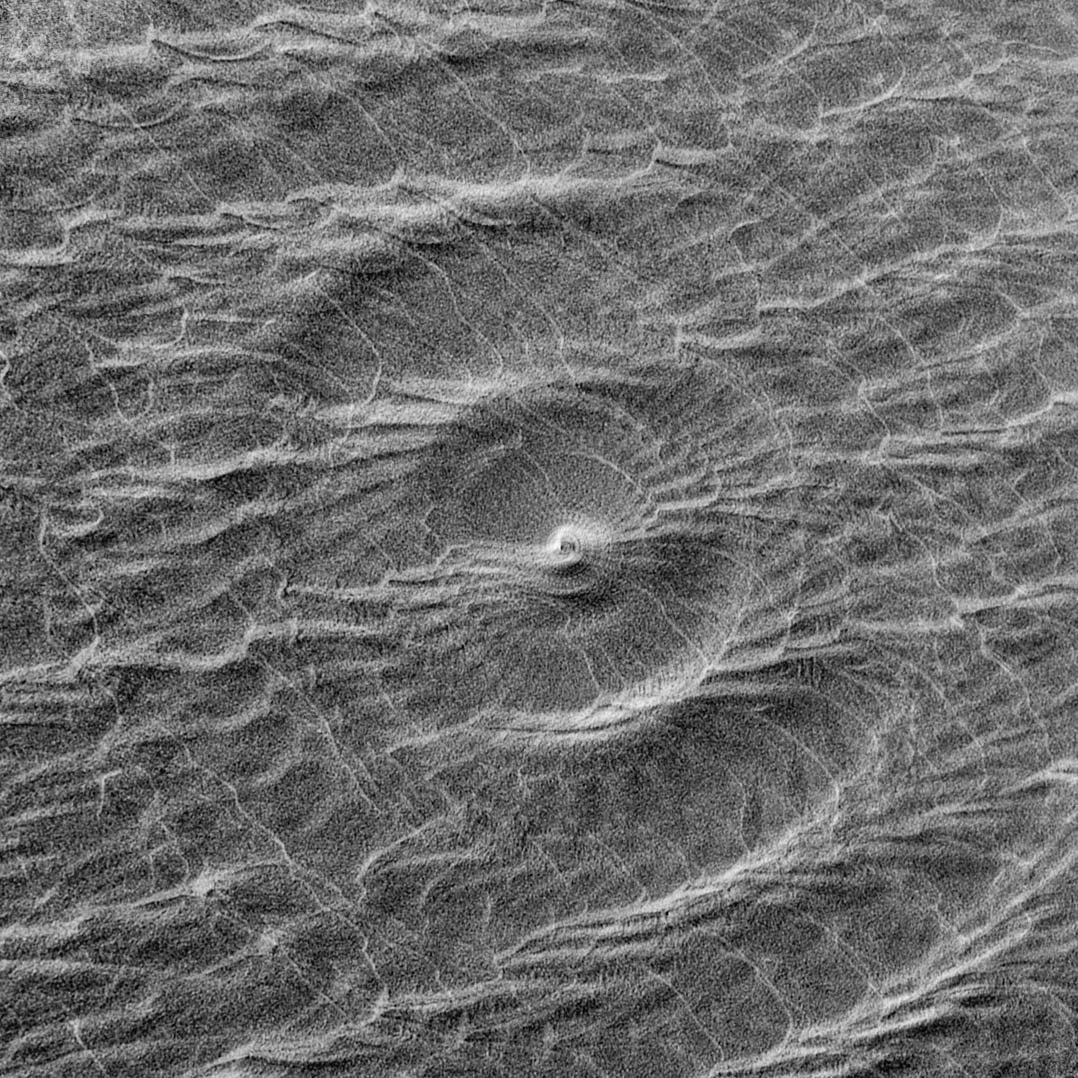
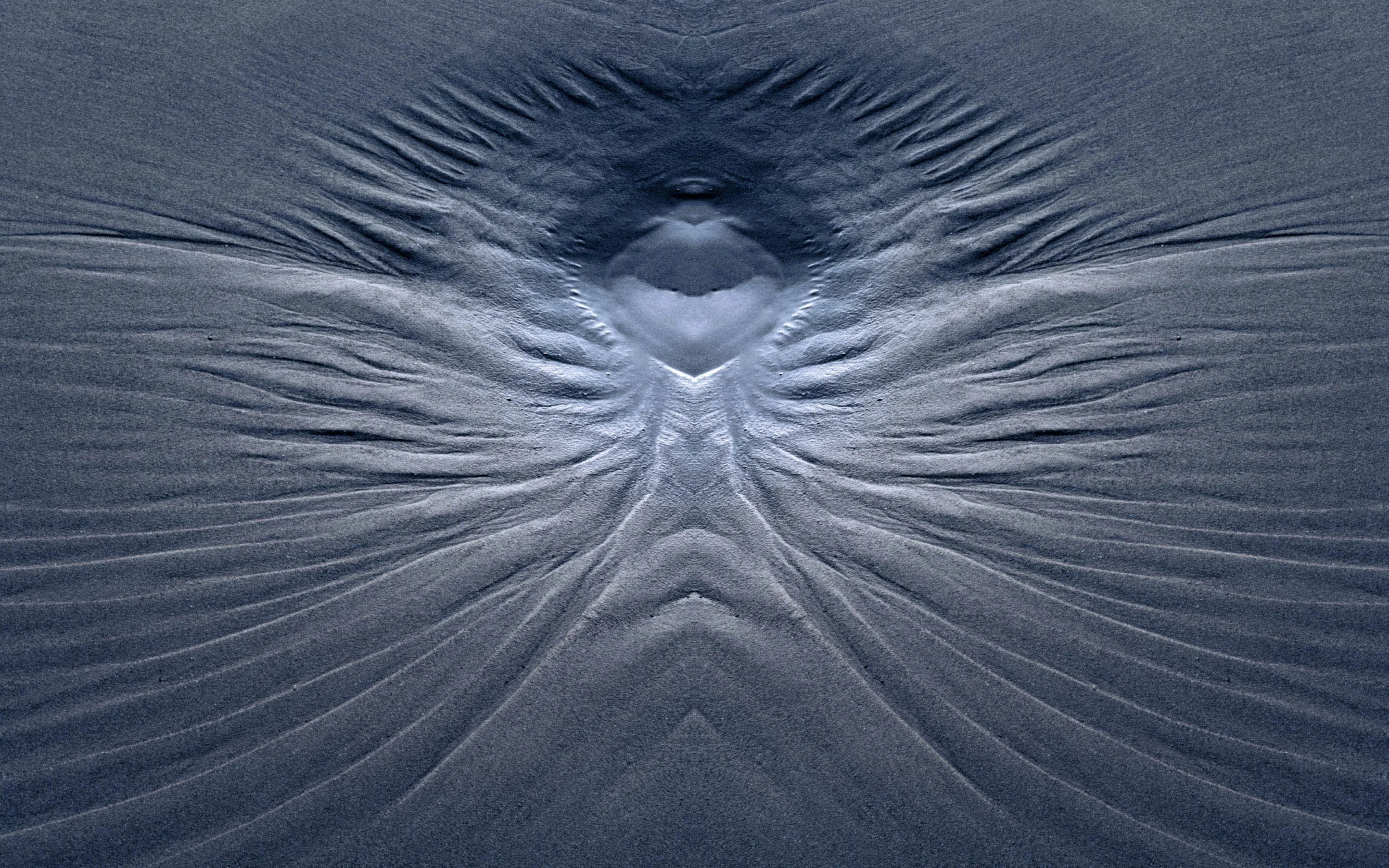
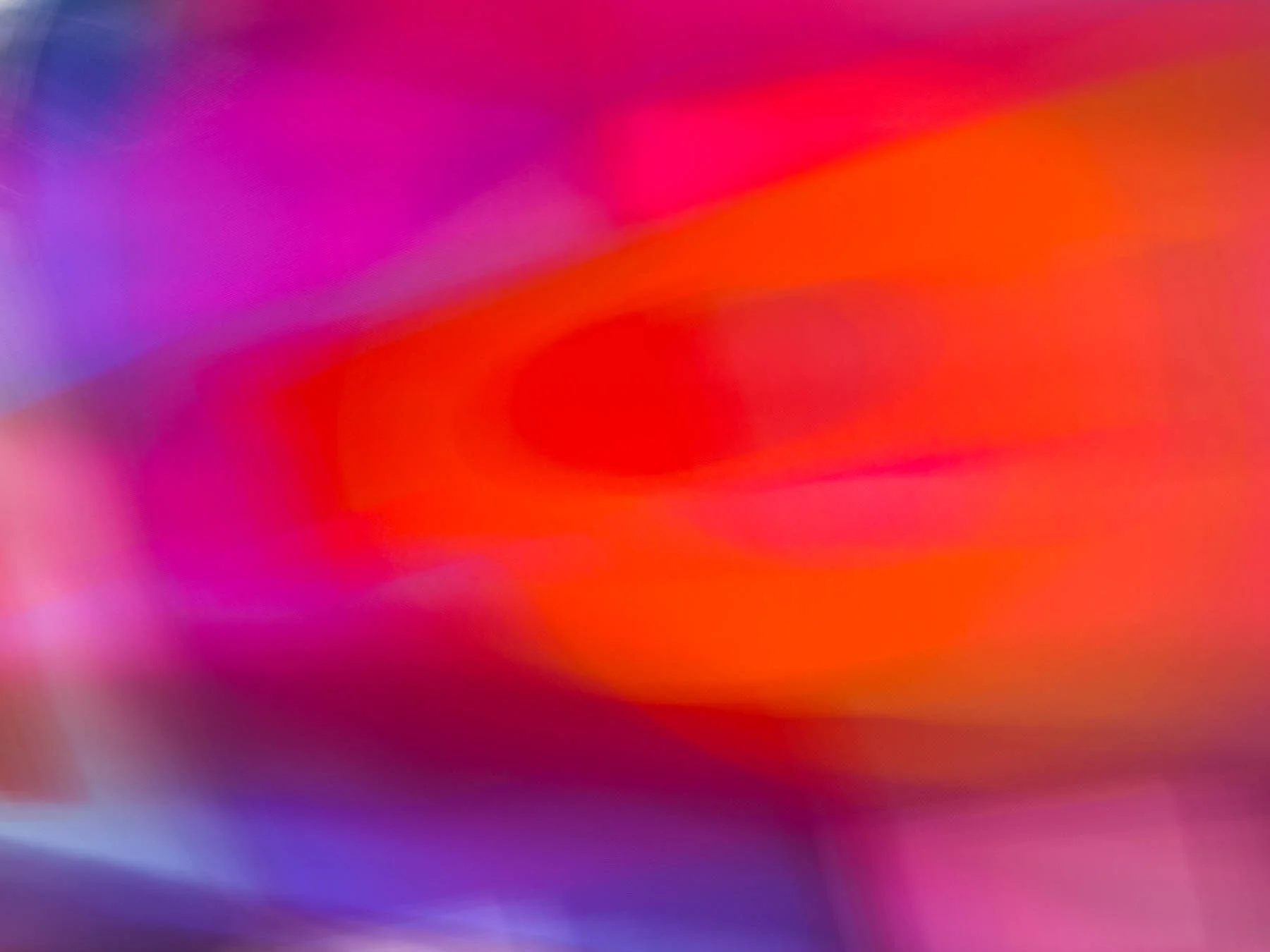
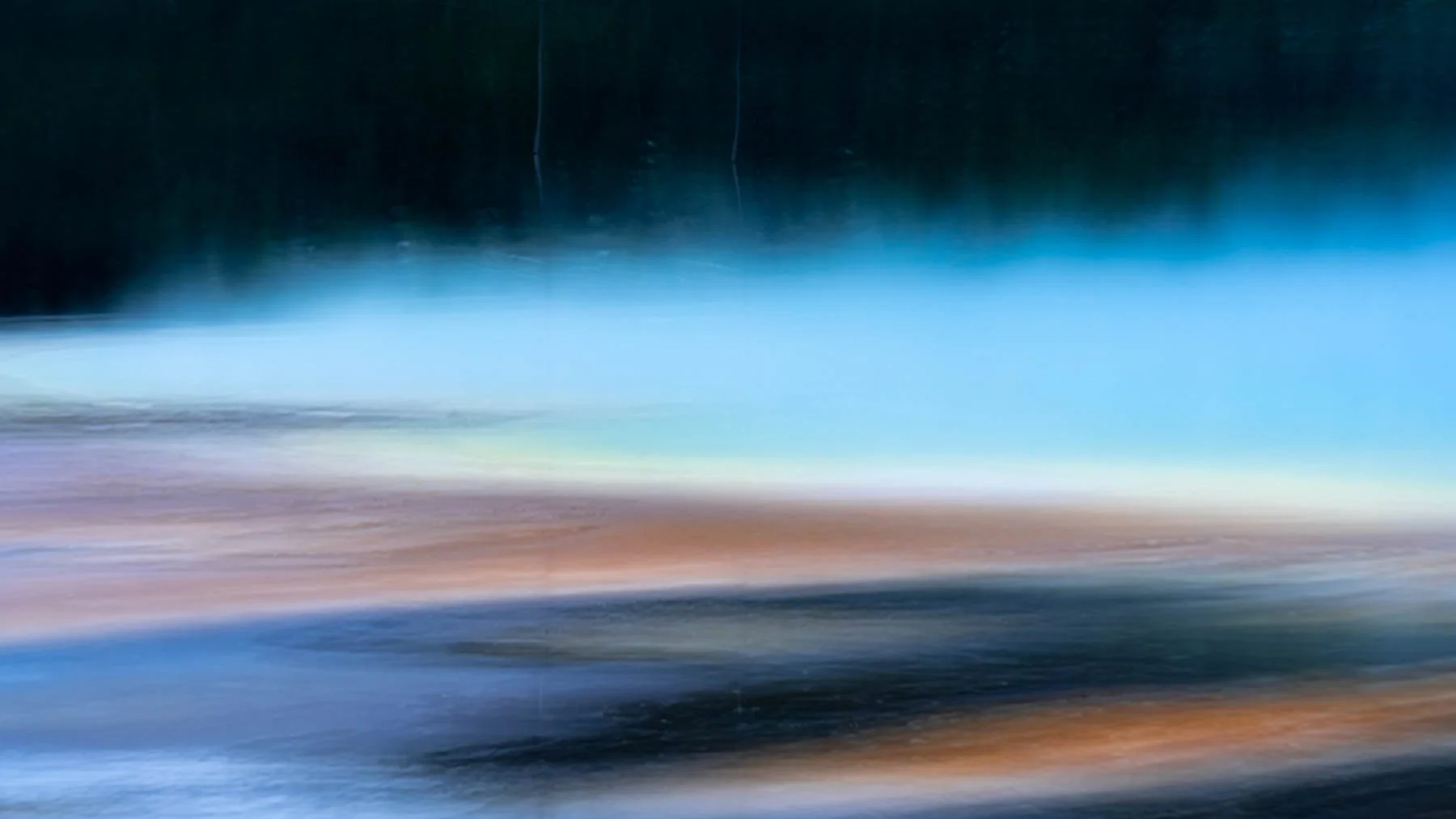
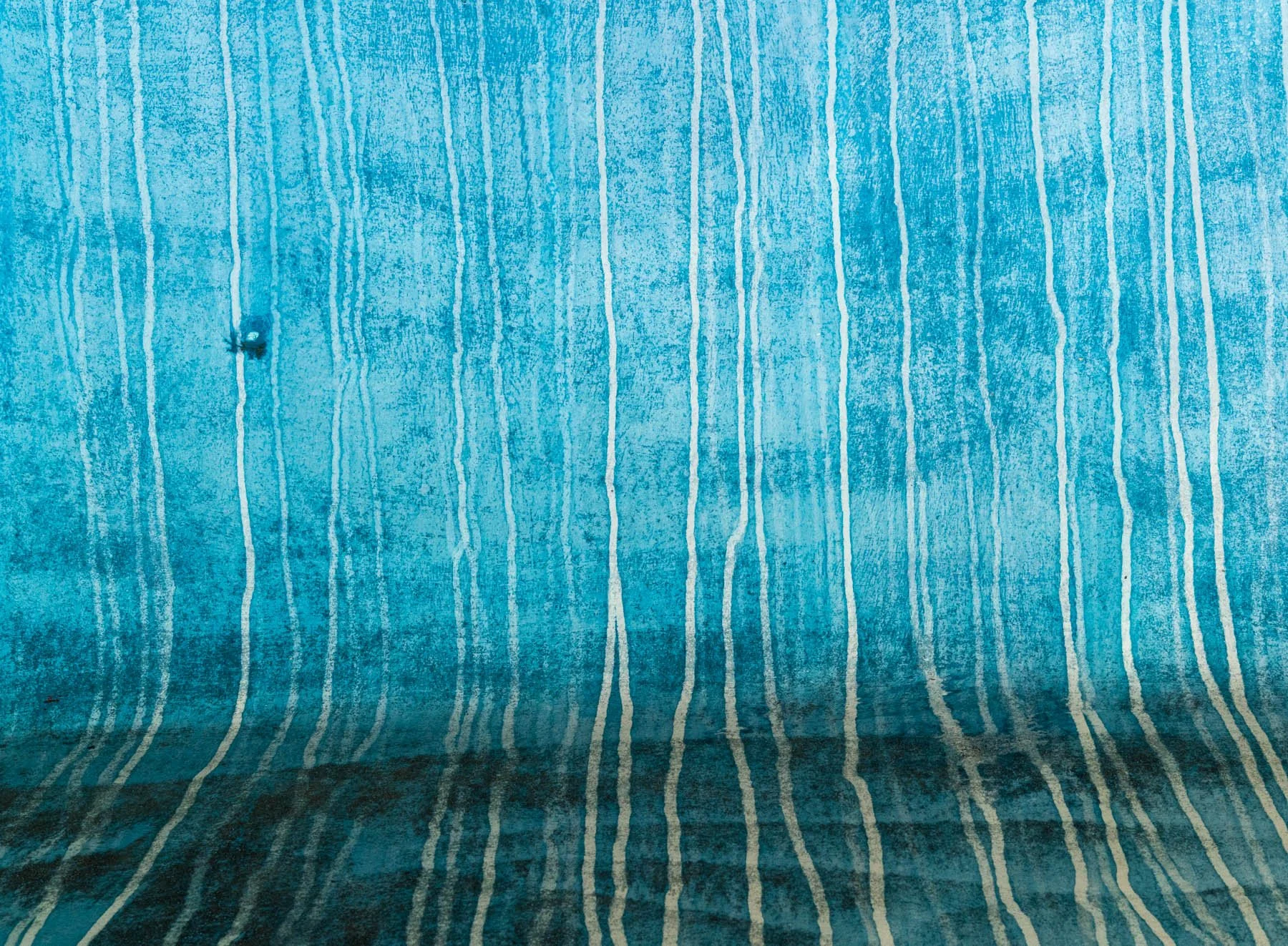
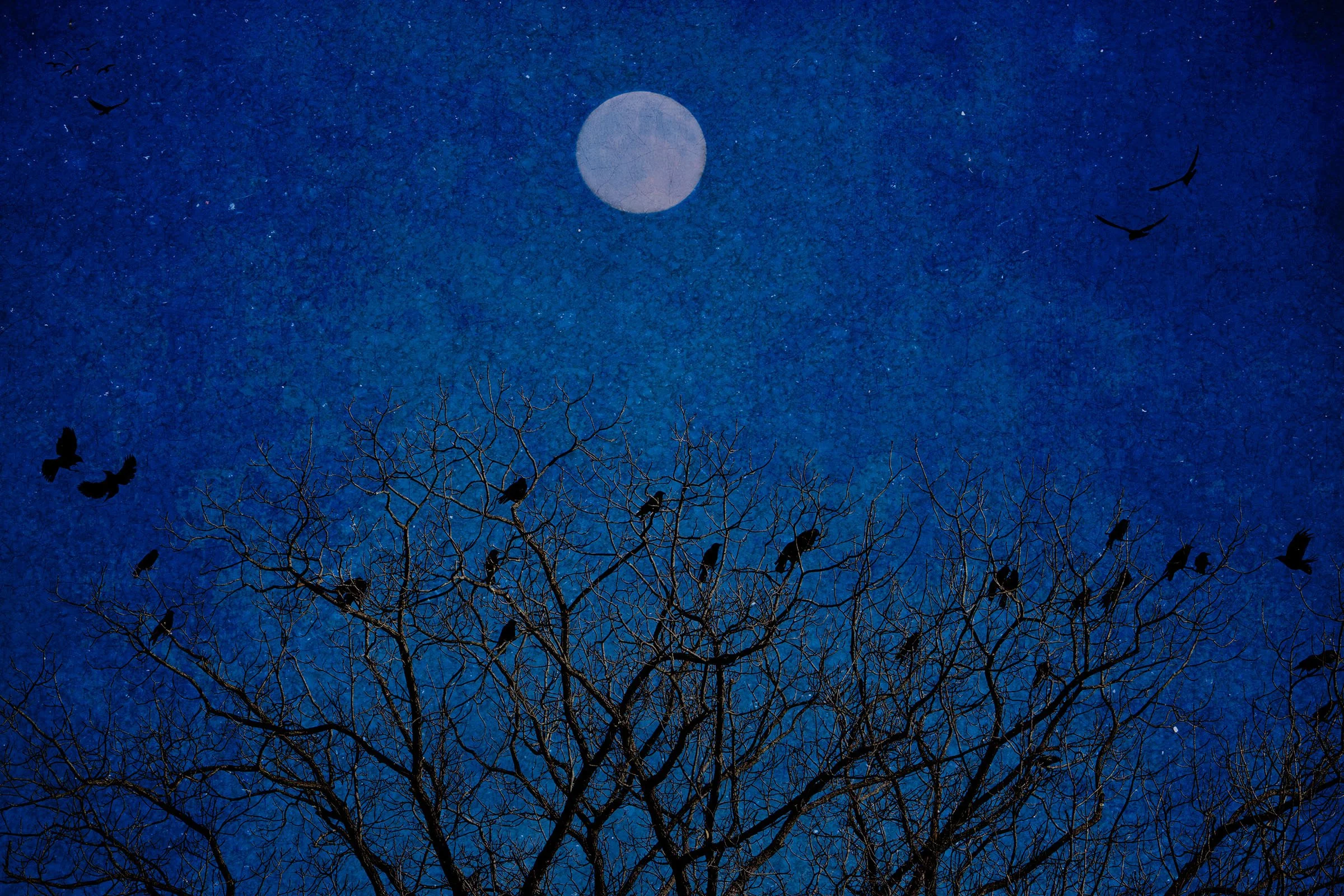
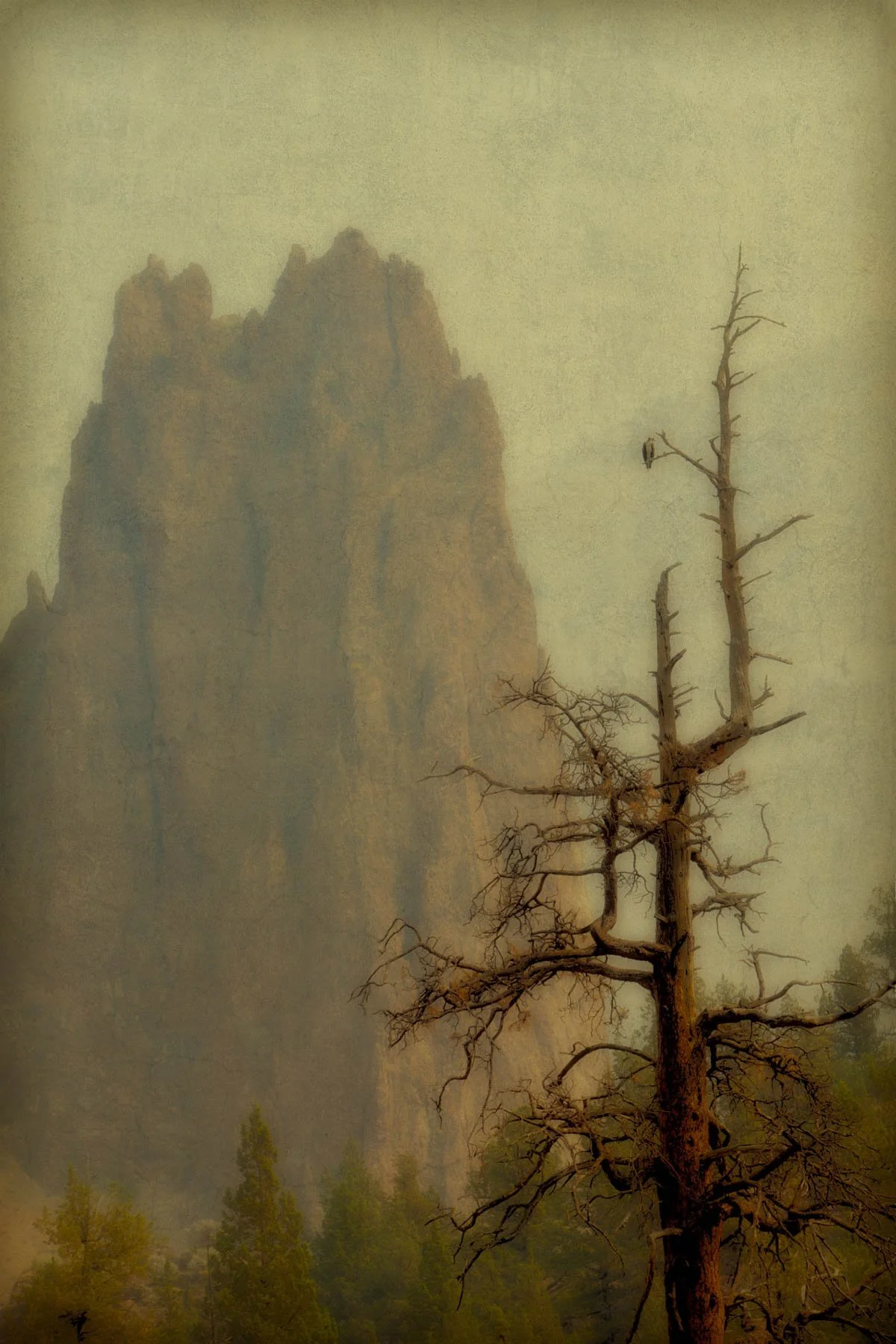
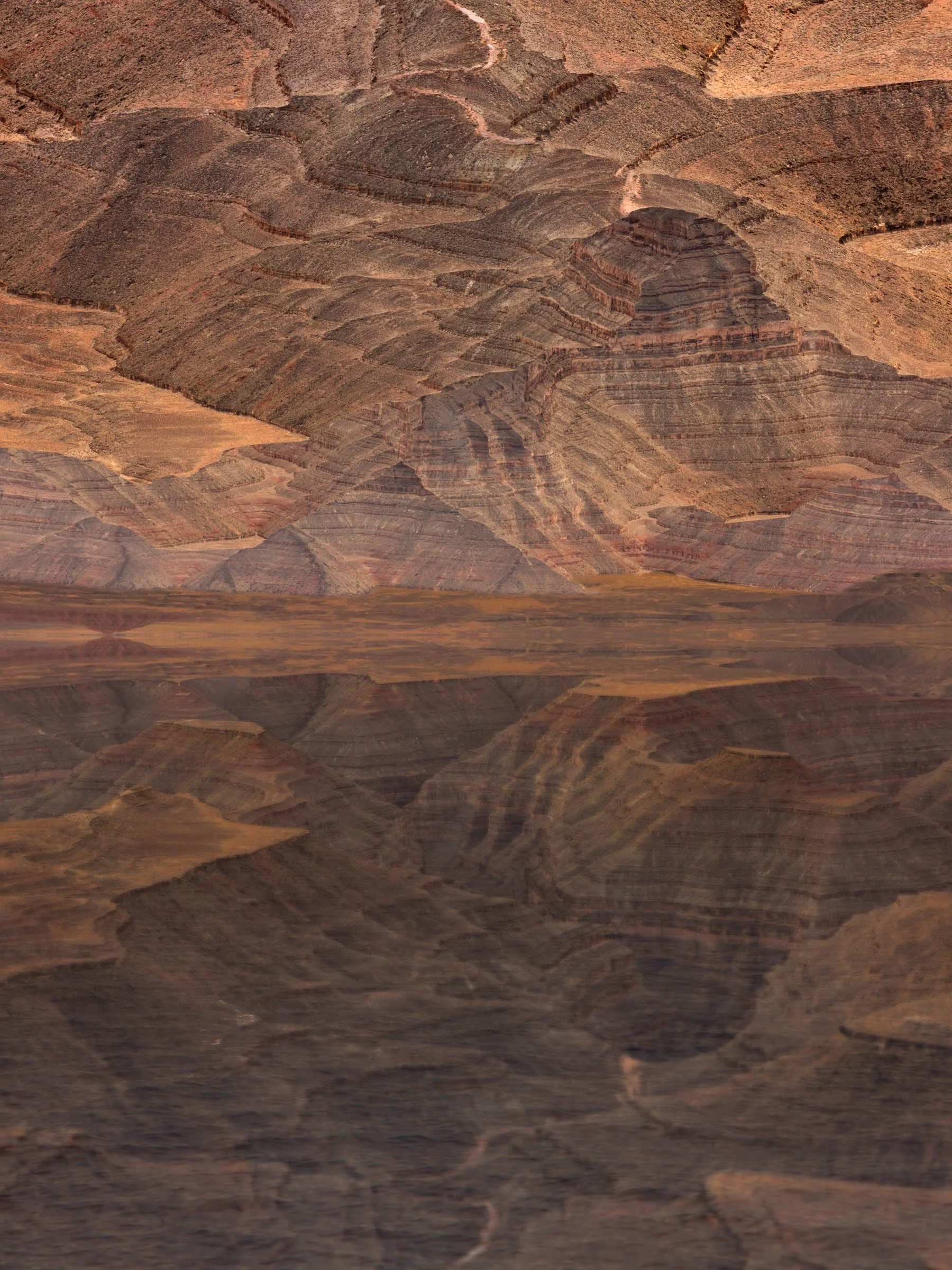
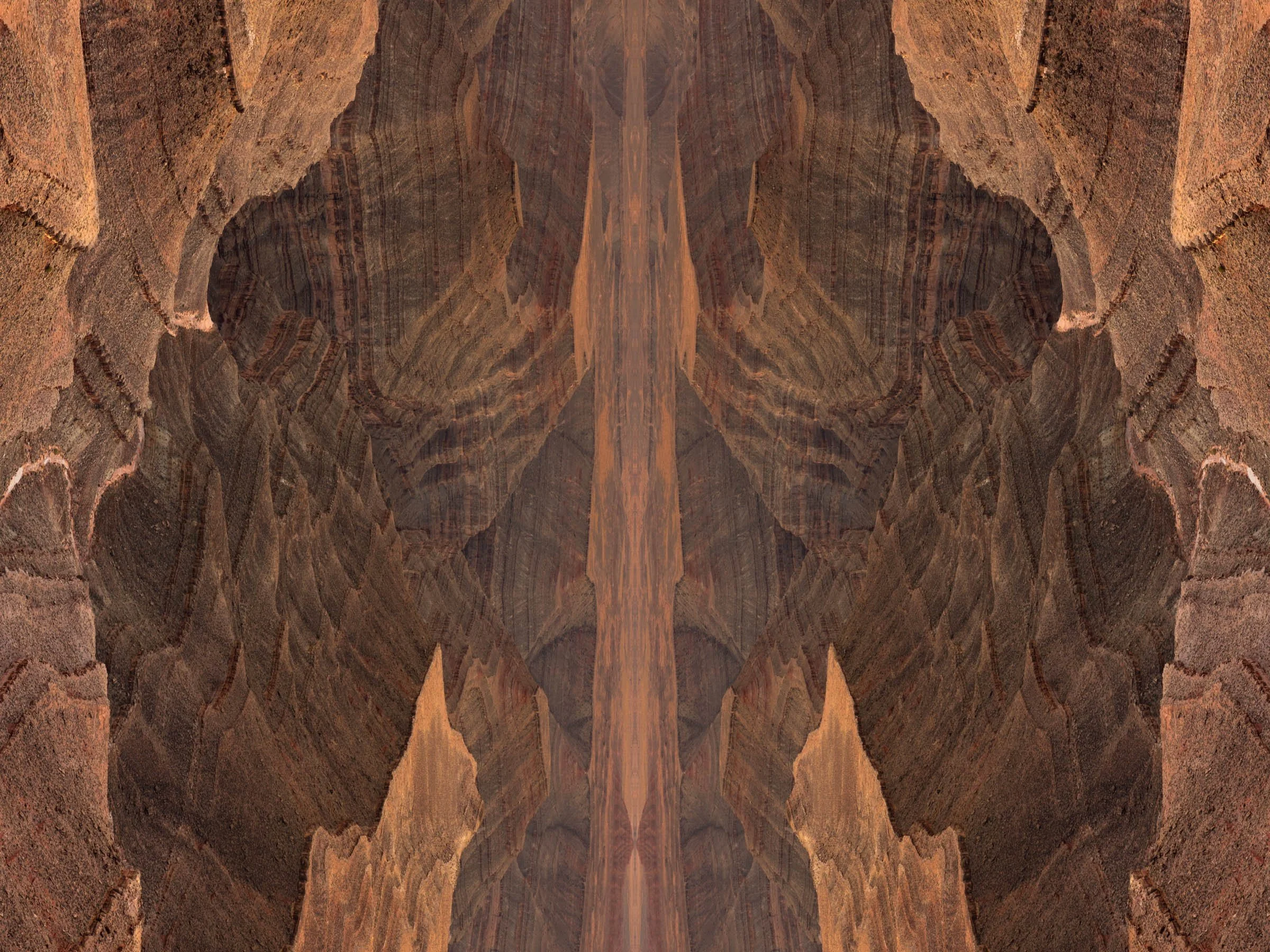
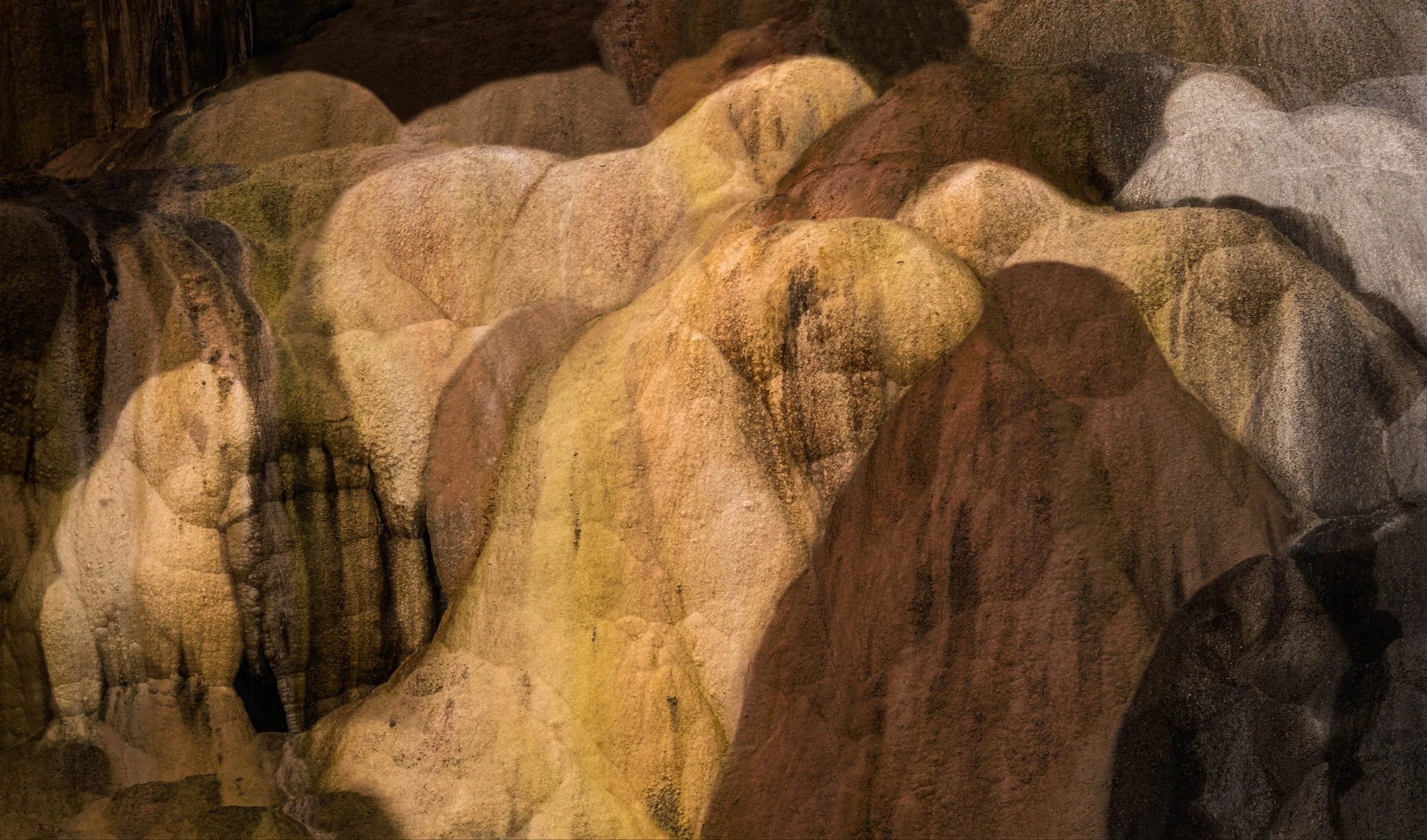
Below are some of my attempts to push beyond what was seen to create “boundary pushing” images.